



The rise of self-service in travel: How mobile apps are empowering customers
by Apadmi|Wed Feb 04 2026

Travel has always been fast-moving, but expectations around convenience and control have accelerated dramatically in recent years. Today’s travellers want to book, manage, and adjust their journeys on their own terms — quickly, easily, and from the palm of their hand.
Self-service travel apps are a key channel for airlines, hotels, and travel brands to meet those expectations. From mobile booking solutions to real-time itinerary management, well-designed apps are empowering customers while reducing operational pressure behind the scenes.
In this blog, we explore how mobile-first self-service is reshaping the travel experience, and why investing in seamless app design is now a strategic necessity (not just a nice-to-have).
What are self-service apps?
Self-service apps are mobile applications that enable users to complete tasks and access services independently, without needing to contact customer support. In the travel sector, this typically includes things like booking flights or accommodation, managing itineraries, checking in, accessing tickets, and making changes on the go, all from a single, mobile-first interface.
By bringing these journeys together in one place, self-service travel apps empower customers with greater control while reducing friction throughout the travel experience. For businesses, they also help streamline operations and relieve pressure on customer service teams, delivering faster, more efficient support at scale.
Why self-service has become the default in travel
Self-service isn’t a new concept, but mobile has transformed how it’s delivered. What was once handled through call centres, printed tickets, or desktop websites is now expected to be available instantly via an app.
Travellers increasingly want:
Control over bookings and changes
Clear, real-time information
Immediate access to support when something goes wrong
Travel management apps make it possible by putting essential services directly in customers' hands. Whether it’s changing a seat, rebooking a delayed flight, or accessing hotel details on arrival, mobile removes friction at critical moments in the journey.
Self-service functionality helps reduce inbound support queries, streamline operations, and scale customer service without proportionally increasing costs.
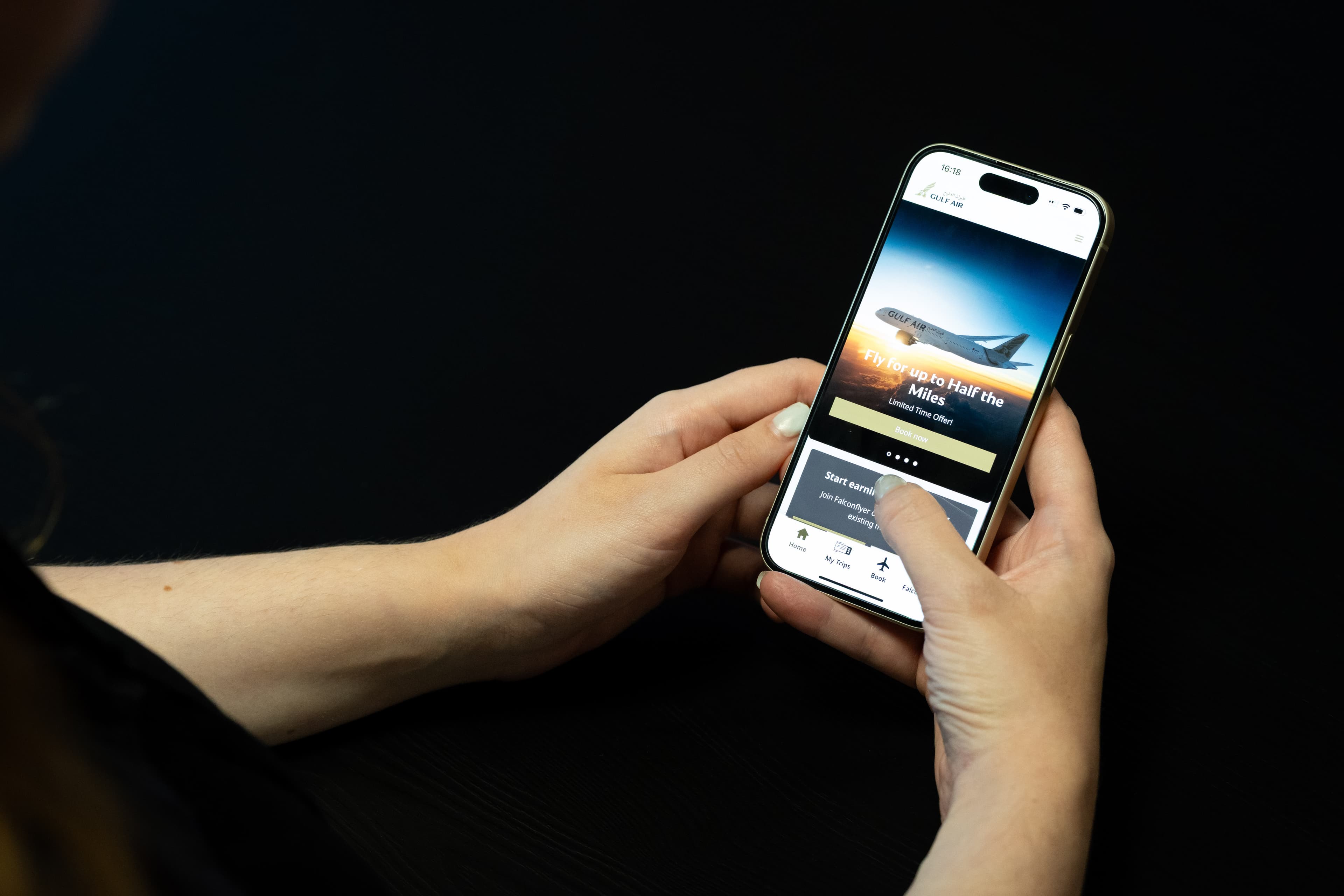
Mobile booking solutions, from planning to purchase
Mobile booking solutions sit at the heart of the self-service experience. Flights, accommodations, and add-ons must be discoverable, comparable, and bookable in just a few taps.
High-performing booking journeys share some common features:
Fast, intuitive search and filtering
Transparent pricing and availability
Simple, distraction-free checkout flows
Secure, frictionless payments
Airline mobile apps, in particular, play a crucial role here. Travellers often research across multiple channels but expect the app to be the final step — where decisions are confirmed quickly and confidently. Any friction at this stage risks abandonment or unnecessary support contact.
The same applies to hotel booking mobile apps, where users expect personalised recommendations, loyalty integration, and instant confirmation. Mobile-first design ensures these journeys feel effortless, even when handling complex data and choices.
How to manage the self-service journey beyond booking
Booking is only the beginning; travellers expect their apps to support them throughout the entire journey. Travel management apps now act as a central hub, enabling users to access things like boarding passes and reservations, receive live updates and notifications, and manage check-in and room preferences.
This end-to-end approach is where mobile shines, when done right. Push notifications, offline access, and device-native features allow brands to communicate proactively and contextually, keeping travellers informed without overwhelming them.
Crucially, these self-service features reduce reliance on customer service teams during peak periods or moments of disruption. When travellers can resolve issues themselves, they feel more in control, and brands benefit from lower operational strain.
Designed seamless self-service experiences
Effective self-service isn’t just about adding features; it’s about how those features are designed and delivered.
For travel apps, this means:
Clear information architecture that prioritises key actions
Consistent, predictable interactions across platforms
Performance that holds up under pressure
Accessibility and inclusivity embedded into the experience
Mobile-first interfaces must be designed around real use behaviour, especially in high-stress scenarios like delays, cancellations, or last-minute changes. A cluttered or slow app at these moments frustrates users and undermines the trust in the brand.
By investing in thoughtful UX, robust engineering, and continuous optimisation, travel brands can ensure self-service tools genuinely empower customers rather than overwhelm them.
The benefits of self-service apps in travel
Self-service apps have become a critical part of the modern travel experience, delivering clear advantages for both customers and travel brands.
Empowering travellers with control and convenience
Self-service travel apps empower customers to take control of their journeys by providing easy access to essential services in one convenient location. Travellers can search, book, check in, manage itineraries, and make changes whenever it suits them, without relying on external channels or waiting for assistance.
This level of autonomy is especially valuable in time-sensitive or high-pressure situations, such as delays or last-minute changes.
By reducing friction and uncertainty, mobile-first self-service experiences help travellers feel more confident and supported throughout their trip. When information and actions are readily available, customers are more likely to trust the brand and engage with the app as a reliable travel companion.

Reducing pressure on customer service teams
One of the biggest advantages of self-service travel apps is their impact on customer support operations. By enabling customers to handle common tasks themselves — such as booking changes, checking live status updates, or finding answers to frequently asked questions — apps significantly reduce the volume of routine enquiries.
This allows customer service teams to focus their time and expertise on more complex or high-value interactions, where a human touch genuinely makes a difference. The result is faster issue resolution, more efficient use of resources, and a better experience for both customers and employees.
At scale, mobile apps become a dependable, always-on service layer that supports large volumes of travellers simultaneously without sacrificing on responsiveness.
Creating better, more connected travel experiences
By acting as a central hub for booking, updates, and communications, self-service apps help create more connected and coherent travel experiences. Customers no longer need to jump between emails, websites, and third-party platforms to find information — everything they need is accessible in one place.
This consistency improves clarity and reduces frustration, particularly when plans change. It also strengthens the relationship between traveller and brand, positioning the app as a trusted source of information and support throughout the journey, not just at the point of booking.
The future of self-service travel is mobile-first
The ability to self-serve on mobile is now a consistent customer expectation. The most successful travel experiences will be built by organisations that treat their apps as core products, continuously evolving to meet customer needs and business goals.
At Apadmi, we help brands design, develop, and optimise mobile apps that put customers in control, reduce operational friction, and deliver real value across he entire journey. Get in touch with us today to see how we can help.
Share