



What is digital transformation, and what does it mean for mobile?
by Apadmi|Sun Nov 30 2025

Digital transformation is reshaping how organisations operate in virtually every sector. It means rethinking how people, processes, and technology come together to deliver value and adapt to changing market demands. Mobile technology sits at the centre of this shift, enabling real-time, user-focused change.
Whether you’re new to the concept or looking to refine your approach, this guide explains what digital transformation really means in mobile, why it matters, and how strategic planning can drive real business outcomes.
What is digital transformation?
Digital transformation refers to the fundamental changes organisations make to their operations, culture, and customer interactions by integrating digital technologies. It is not just about updating IT systems or adopting new tools; it’s about rethinking how all parts of a business work together to create better value, improved efficiency, and greater agility in response to evolving market conditions.
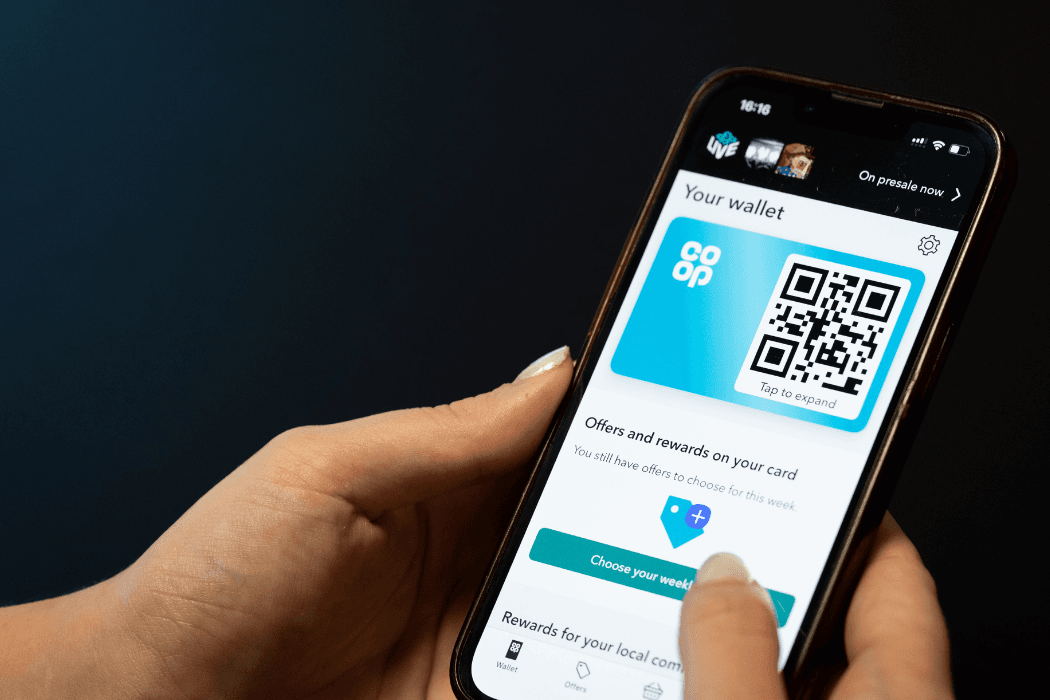
Mobile apps, in particular, are often the most visible and direct channel through which users experience transformation, from banking and retail to healthcare and logistics. This holistic approach enables companies to remain competitive, innovate faster, and deliver the experiences their customers expect.
What are the pillars of a digital transformation strategy?
Achieving successful digital transformation requires focusing on three core pillars: people and culture, process optimisation, and technology enablement. Each plays a fundamental role in driving sustainable change that delivers true business value.
People and culture
Digital transformation is as much about people as it is about technology. Companies must foster a culture open to change, innovation, and continuous learning. Leadership plays a critical role in guiding this mindset shift, encouraging collaboration across teams and upskilling employees to work effectively with new digital tools.
At Apadmi, we engage closely with client teams to build this cultural foundation, ensuring transformation efforts have the support and ownership they need across the organisation. For mobile-led transformations, this also means encouraging cross-functional collaboration between product owners, UX designers, developers, and operational leads.
Process optimisation
Transformation offers the opportunity to rethink existing workflows and remove inefficiencies. By redesigning processes, automating routine tasks, and breaking down silos, businesses can improve agility and responsiveness.
Many of these gains are realised through mobile apps that digitise manual processes, enable remote access to data, and provide real-time decision-making tools. Analysing and mapping processes helps to identify friction points and recommend optimised digital solutions that streamline operations and enhance productivity.
Technology enablement
While technology isn’t the sole focus, it is an essential enabler of transformation. Selecting and integrating the right digital platforms, cloud services, data analytics tools, and mobile solutions creates the infrastructure for innovation and improved user experience.
Mobile is often the most critical delivery mechanism — the interface users engage with daily. From customer-facing apps to internal tools for frontline teams, mobile solutions drive faster, more accessible interactions. Crucially, technology decisions should be driven by business outcomes rather than novelty. Apadmi helps organisations choose device-agnostic, scalable, and secure technologies aligned with their long-term vision.
How to develop a successful digital transformation strategy
A clear, well-planned strategy is essential to guide digital transformation efforts and maximise impact. There are three key stages to consider:
Assessing the current state
Before moving forward, organisations need a thorough understanding of their existing processes, systems, and culture. This involves conducting audits, gathering stakeholder input, and identifying gaps between current capabilities and desired outcomes. Mobile audits, for existing apps or mobile use cases, are a common and essential starting point. Understanding how mobile fits into your current ecosystem will shape smarter transformation strategies.
Setting objectives and KPIs
Clear goals aligned with business outcomes, direct focus, and resources. Whether improving customer satisfaction, increasing operational efficiency, or launching new digital services, objectives should be measurable through well-defined key performance indicators (KPIs). KPIs might include app adoption rates, in-app engagement, or time saved through mobile task automation.
Implementation and continuous improvement
Digital transformation is not a one-time project. Successful programmes use agile, iterative development to deliver value incrementally. Regular review and adaptation ensure the strategy evolves with changing market conditions and business needs. When transformation is mobile-first, iterative releases via app updates, user feedback loops, and performance tracking are key to sustaining momentum.
Common challenges and how to overcome them
Digital transformation is a complex journey that often faces obstacles. Being aware of common challenges and preparing to tackle them can keep transformation efforts on track.
Resistance to change: Change can create uncertainty and discomfort. Open communication, involving teams early in decision-making, and providing training can help build trust and willingness to adapt. In mobile transformation, this may involve onboarding employees to use internal apps or changing customer behaviours through a user-friendly design.
Legacy technology limitations: Older systems may not easily support new digital solutions. A phased approach to modernisation, prioritising critical areas and integrating where possible, can ease transition while maintaining stability. Mobile apps can serve as a bridge between legacy systems and modern experiences — surfacing data from outdated platforms in a more intuitive and accessible way.
Stakeholder alignment: Without a shared understanding and commitment, progress can stall. Encouraging collaboration across departments and regularly revisiting goals ensures everyone stays engaged and aligned. Mobile projects, in particular, benefit from early alignment between product, marketing, operations, and IT stakeholders to avoid scope drift and mismatched expectations.
Unclear objectives: Vague or shifting priorities lead to confusion and wasted effort. Defining clear, measurable goals focused on business outcomes helps maintain direction and focus.
Resource constraints: Time, budget, and talent shortages are common barriers. Prioritising initiatives based on impact and feasibility, and seeking external expertise when needed, can optimise resource use. Partnering with a specialist mobile team, like Apadmi, can help you scale delivery, avoid common pitfalls, and accelerate time-to-market.
Successful digital transformation involves ongoing reflection and adaptation. Organisations that recognise and actively manage these challenges improve their chances of delivering meaningful and sustainable change.
How Apadmi helped transform the NHS
When the NHS approached Apadmi, its operations around organ donors involved lengthy paperwork trails and extensive manual data entry. These processes were not sustainable and needed updating — which is where we came in.

DonorPath completely transformed how over 260 hospitals across the UK manage the admin around organ donors, saving time for healthcare professionals and helping them focus on their life-saving work.
Read our case study to learn the full story.
Take the next step in your digital transformation
By taking a strategic, people-centred approach and leveraging the right technology, organisations can unlock new efficiencies, enhance customer experiences, and future-proof their operations.
Working with a trusted partner can help navigate complexities and deliver meaningful outcomes. If you’re ready to explore how digital transformation can drive your business forward, discover Apadmi’s mobile app development, data science & analytics services, and innovation expertise. Get in touch with the experts at Apadmi to start your transformation journey today.
Share