



Inside Shoptalk 2026: AI, authenticity, and a retail industry still figuring it out
by Sarah Toms-Retail Growth Director|Thu Mar 26 2026
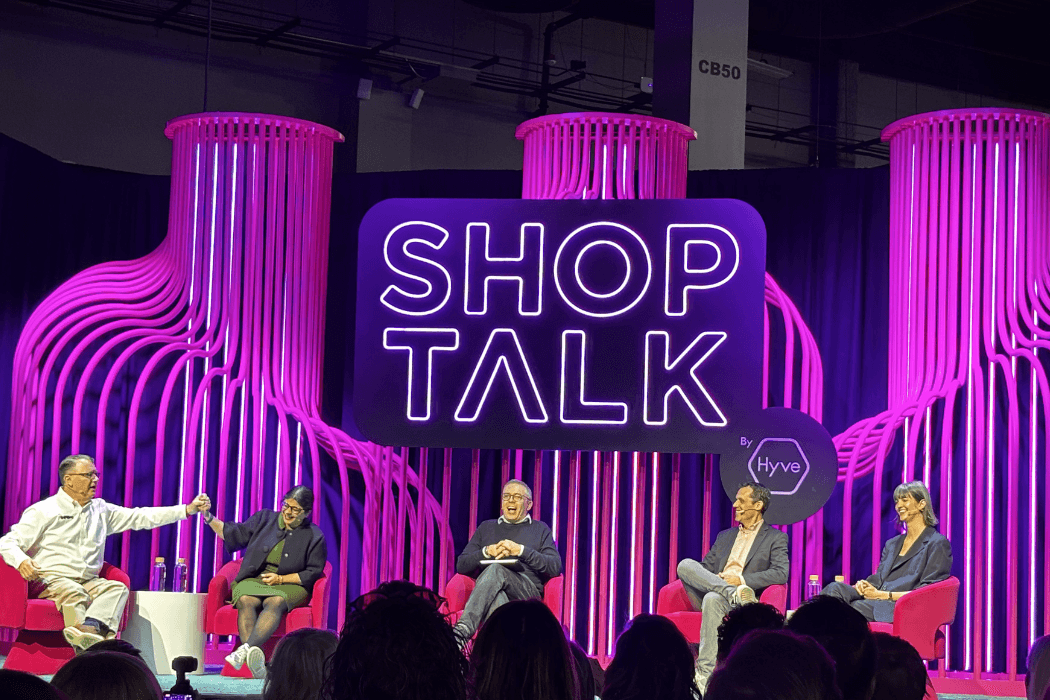
Shoptalk Spring descended on Vegas from 23–27 March, and I was fortunate enough to be there for the whole shebang. 25,000 steps a day, back-to-back sessions, meetings, and run-ins… and a constant undercurrent of conversation about how quickly retail and digital are evolving.
Alongside the main conference, Apadmi hosted a private dinner with Insider and Antavo at Caramá in Mandalay Bay, and I also attended a Women in Commerce breakfast at the W Hotel, sponsored by Pacvue. Between all of that and time spent with partners across the week, there was a lot to take in.
What I came away with most was not a neat list of certainties. In fact, quite the opposite.
There are more questions than answers right now. There is a huge amount of theory, bold predictions, and data points, but not enough real-world use cases to back it all up. And that’s okay. That is exactly why events like Shoptalk matter; retail, digital and customer behaviour are all evolving so quickly that the smartest people in the room are often still working it out in real time.
The big themes
Across very different sessions, a few common threads kept surfacing.
AI is everywhere, but use it with caution: not in a dismissive way, but more in a pragmatic, test and learn, ‘use it in the right way for your business’ kind of way. Everyone is trying to understand where AI genuinely improves the customer experience and where the industry might be getting ahead of itself.
Authenticity: brands are asking themselves how to stay human in a world increasingly shaped by AI, automation and creator-led discovery. Whether it was loyalty, content, social commerce or customer experience, the challenge felt the same: how do you scale relevance without losing what makes your brand feel real?
Data readiness: better product data, better customer data, better content structures, better systems. It came up again and again, not as the week's most glamorous topic, but as one of the most important.
1. Agentic commerce: big shift, or overhyped?
One of the most interesting sessions I attended was a debate on whether AI agents will or will not transform retail (cite all hosts and speakers here).
What made it so compelling was that the panel could not reach a consensus on the definition. For some, agentic commerce means AI making autonomous purchasing decisions on behalf of the consumer. For others, it’s more about AI-supported discovery, where tools like ChatGPT or Gemini help people research, compare and narrow down choices before they buy.
A lot of the conversation landed on the fact that while consumers are clearly starting to use AI in discovery, full autonomous commerce still feels some way off. There was discussion about how AI is shortening the funnel, helping people get to answers faster, but not necessarily removing the human from the decision-making process. That felt like an important distinction.
A few things stood out:
Adoption is growing, but unevenly.
AI is having a greater impact on discovery than on checkout.
Retailers should focus on product data, content, and experimentation before making huge bets.
The fear that traffic will disappear overnight feels overblown.
The smartest response right now is measured action, not panic.
The consensus was that this is evolving fast, and brands absolutely need to prepare, but not by throwing huge budgets at unproven models too early. In other words, don’t ignore the shift, but don’t let the hype drive the strategy.
2. Loyalty is getting more emotional
Another standout session looked at emotional versus financial loyalty mechanics. For years, loyalty conversations have centred on points, discounts and cashback. Those things still matter, but the brands seeing the most traction are blending commercial value with emotional connection.
There were some brilliant examples of delayed rewards and wallet-based offers designed not just to trigger a transaction, but to encourage a return visit. Creating a reason to come back, rather than just discounting the first purchase, is a smart move.
PetSmart is a strong example. Its loyalty strategy blends transactional value with emotional elements, such as donations to charity and celebrating moments that matter for pet owners. The result is not just better engagement, but a deeper brand connection. When customers feel aligned with a brand’s values, they behave differently.
A few loyalty takeaways that felt especially relevant:
Omni-channel customers remain the most valuable.
Digital is making personalisation more precise and, therefore, more powerful.
Emotional loyalty is not fluffy branding; it can drive real commercial outcomes.
Store associates still play a huge role in loyalty adoption and experience.
Community, relevance and recognition matter just as much as reward value.
Loyalty is no longer just about giving something back; it’s about giving people a reason to care.
3. Reinventing brands for the next generation
A broader brand reinvention session, featuring voices from Papa John’s, Clinique and others, brought together different sectors wrestling with similar questions.
At Papa John’s, the focus was heavily on digital channels, particularly owned channels like the app and website, and how much of the business now comes through digital ordering. Beyond the channels themselves, what was interesting was the emphasis on storytelling in those touchpoints.
Clinique offered a very different but equally relevant perspective. Its reinvention is not about abandoning heritage, but about expressing it in a more modern way. Reconnecting with their dermatologist-led roots while leaning into TikTok, creators and AI-powered personalisation felt like a strong example of how legacy brands can evolve without losing themselves.
What linked these stories together was this: the best reinvention is not random reinvention. It’s about being clear on what made the brand matter in the first place, then finding better, more relevant ways to express that today. Finding the balance between heritage and reinvention was a hot topic throughout the week.
4. New Balance: heritage, scale and staying relevant
Hearing Joe Preston, CEO of New Balance, talk about the brand was particularly insightful. New Balance has leveraged its heritage as a strength while continuing to broaden its appeal across generations. The “dad shoe” story, the revival of classic lines, and the ability to span performance and lifestyle all showed how the brand is meeting very different consumer groups without losing brand coherence.
A few things I found especially interesting:
Continued investment in physical retail, with 80 new stores planned in 2025.
Significant flagship investment to elevate brand expression.
Apparel is becoming a serious growth driver.
Localised store strategies based on audience and location.
A balanced approach between wholesale and direct-to-consumer.
In a week full of conversations about the future, this was a useful reminder that strong brands still win by being consistent, investing in experience, and knowing exactly who they are.
5. Jessica Alba, YouTube, creators and authentic content
Jessica Alba joined a panel with YouTube to discuss creators, commerce, and authentic content.
This talk landed because it sat right at the intersection of brand, media and shopping behaviour. The idea that creators are collapsing the sales funnel is not new, but it does feel more real than ever. Content is not just driving awareness now; it is driving consideration and purchase much more directly.
Shopping tags, social commerce, creator-led product storytelling, and the blending of entertainment with transaction all point to a more compressed path to purchase. But what stood out most was the emphasis on authenticity. Jessica Alba talked about the value of direct creator-brand relationships and the shift away from overly manufactured, committee-led content.
This was connected to a wider question running through Shoptalk: how do brands stay authentic when algorithms and AI increasingly shape content, discovery and decision-making? The answer was not to resist change, but to lean in to formats and partnerships that still feel human.
6. Consumer attitudes towards AI: readiness matters more than rhetoric
Consumer attitudes towards AI was a key theme. Discussions focused on how AI is moving from discovery to decision support, and how businesses are preparing for that shift. There was a lot of focus on maturity models, data readiness, security, governance, and the move from experimentation to industrialisation. This isn’t about certainty, but about being ready.
The practical message was clear: having data is not enough. Brands need a clear goal for AI, understand which channels matter most, what stays direct versus what is indirect, and how to protect customer relationships as new AI-led experiences emerge.
More questions than answers
There are more questions than answers right now, and that is what makes this moment so interesting.
AI is moving fast, consumer behaviour is shifting, discovery is fragmenting, loyalty is becoming more emotional, and brands are trying to modernise without losing authenticity. Creator-led commerce is changing how products get found and bought. Everyone is talking about data, but every piece of data can tell a different story depending on which part you choose to emphasise.
In many of the debates, one speaker would make a compelling case for dramatic transformation, while another would make an equally compelling case for caution. In many ways, both were right.
Uncertainty is not a bad thing; it’s the reality of working in digital. Tools change, channels change, and language changes, but the challenge stays the same: understand people, stay relevant, and keep adapting.
Share